Stories
Every painting starts with a photograph. I shoot architecture and landscapes, mostly. Buildings with presence, water that holds light, skylines that frame a place. The camera captures the scene. Then the painting departs from it.
The colours shift first. Muted stone becomes cadmium red. A grey sky fills with cerulean and gold. I am not correcting the photograph. I am replacing its palette with something closer to how the place felt, or how I wanted it to feel. Accuracy is the camera's job. The painting gets to be something else.
Then the scene itself changes. Details that were peripheral in the photograph move to the centre. A bird I saw but did not shoot. A sculpture from the other side of the building. Flowers that were three streets away. The painting becomes a composite of the whole visit, not a single frame from it. Things that caught my eye find their way in, whether the lens saw them or not.
The result is a version of a real place that never quite existed. Familiar enough to recognise, different enough to look twice.
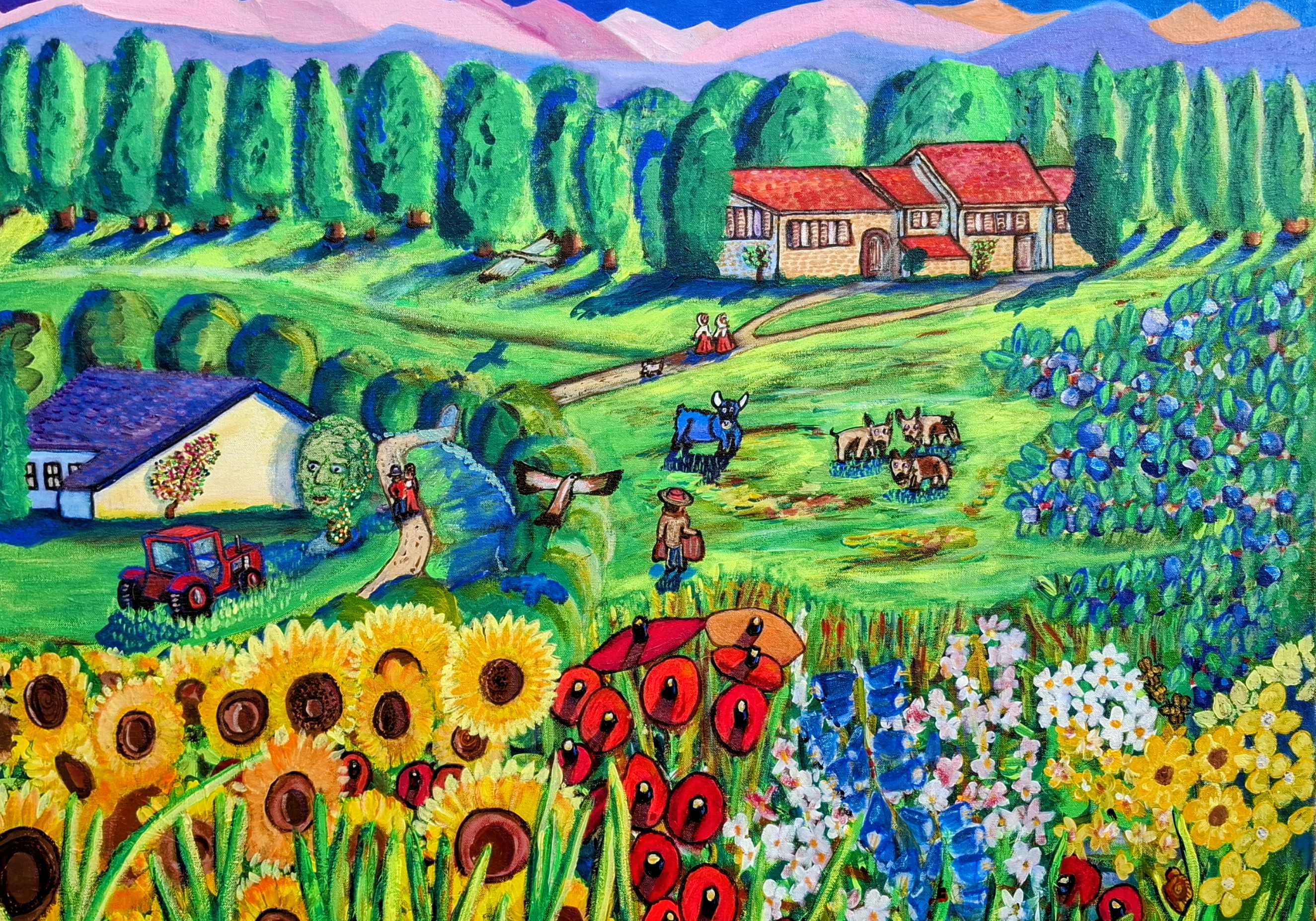
Cantabrian Mountains, Espinosa de los Monteros
1000 × 750 mm · Acryla Gouache · Canvas
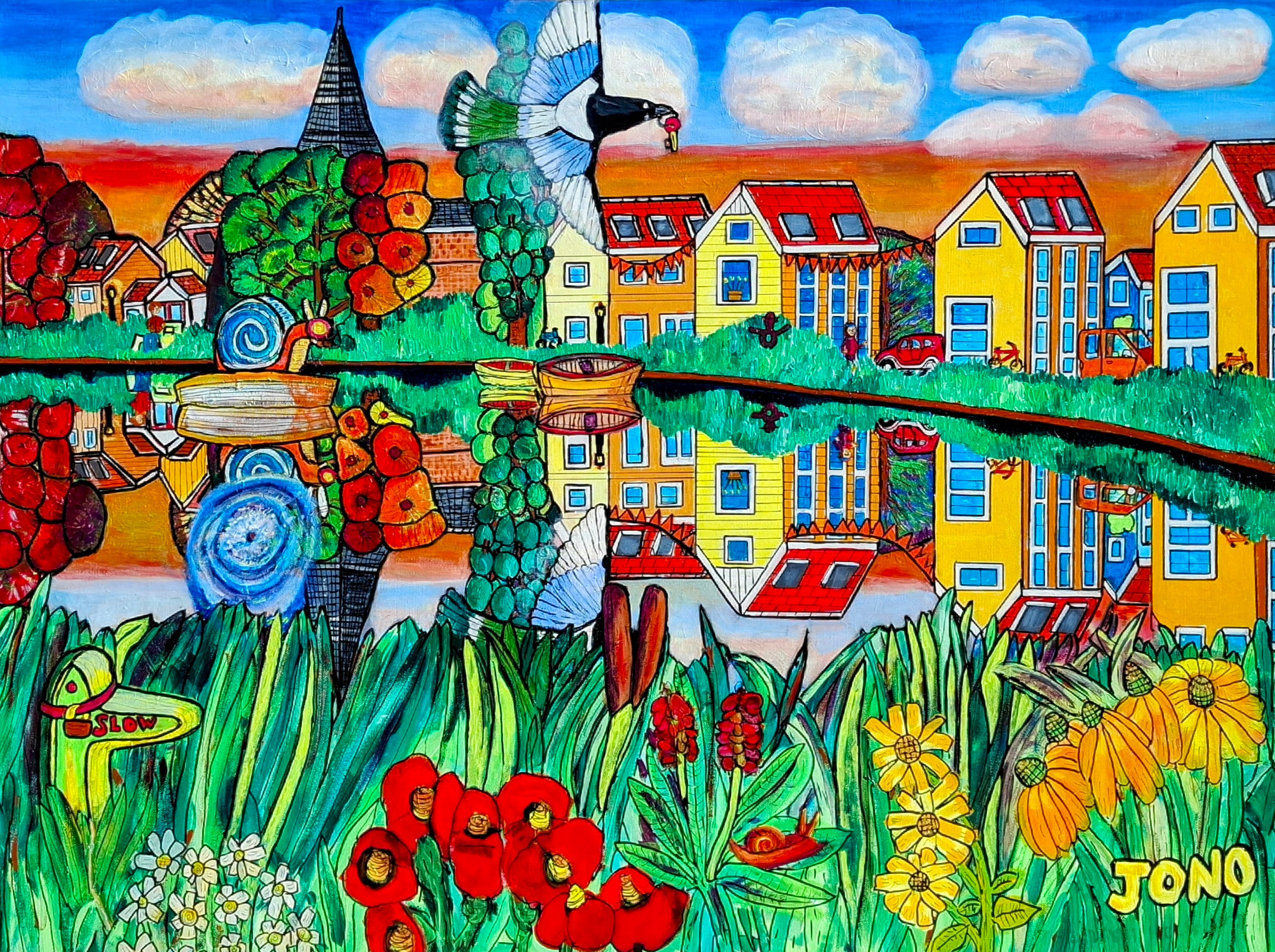
The Last Holiday
1000 × 750 mm · Acryla Gouache · Canvas
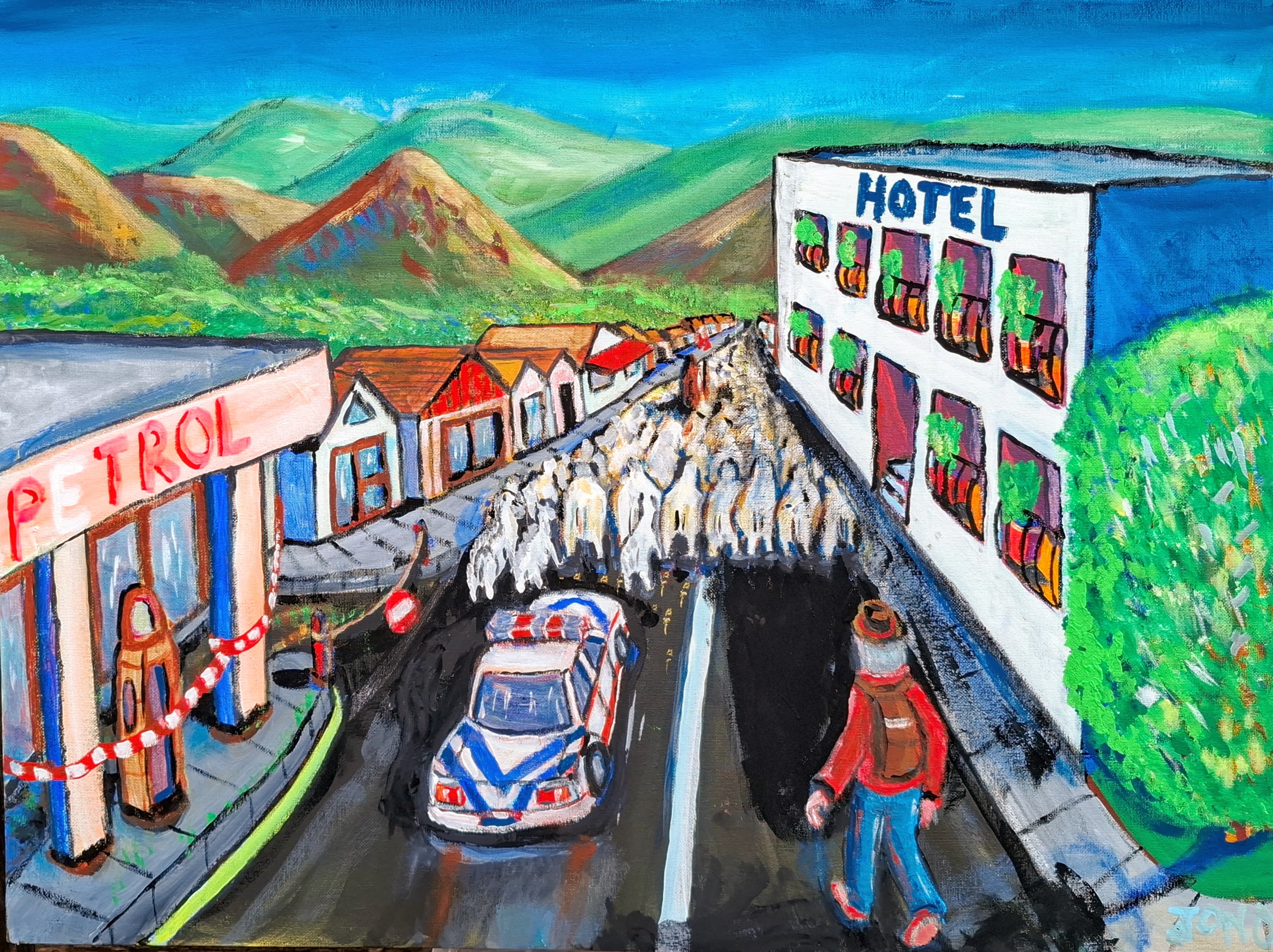
The Know Where Series
Acryla Gouache · Ink & Watercolour
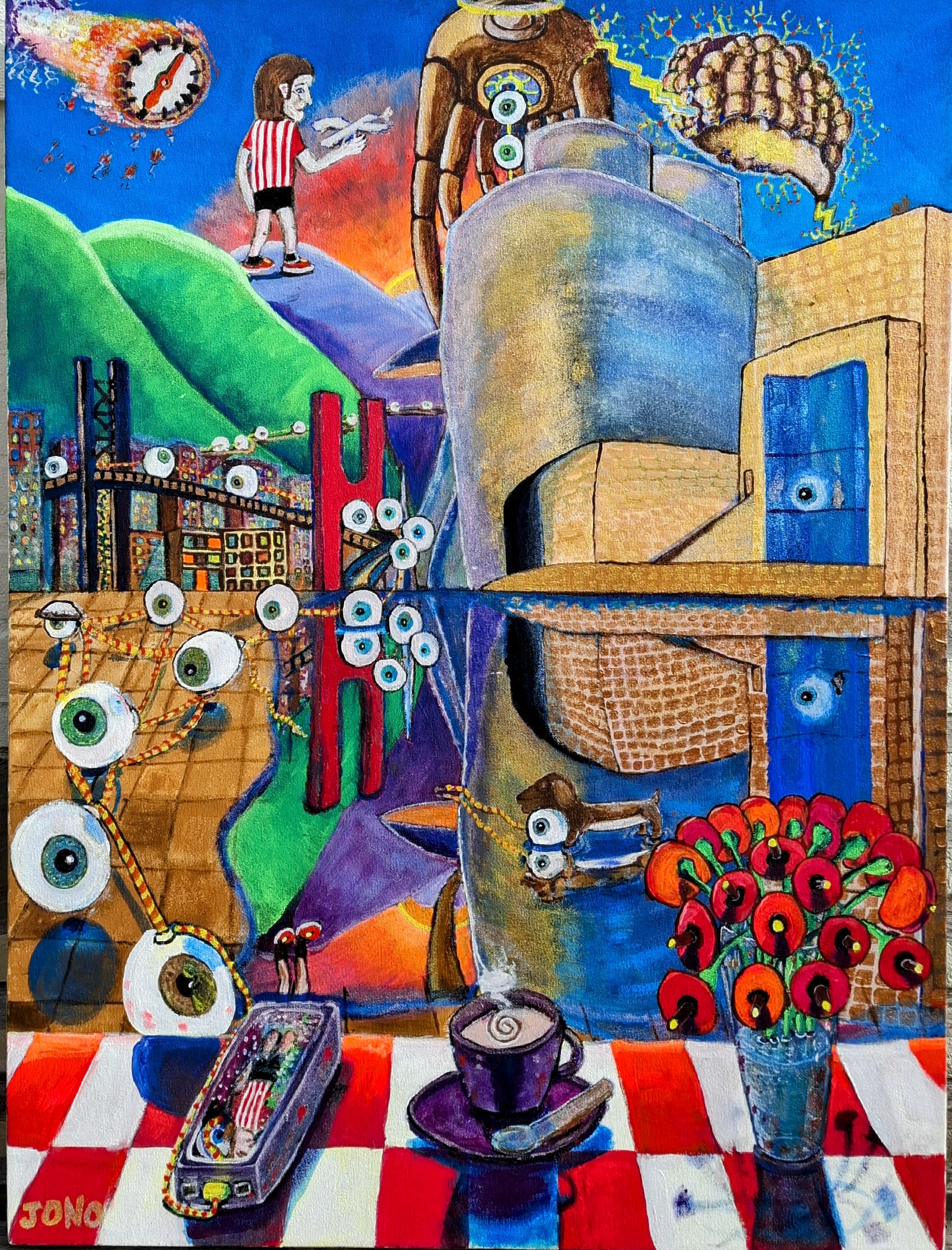
Guggenheim, Bilbao
750 × 1000 mm · Acryla Gouache · Canvas
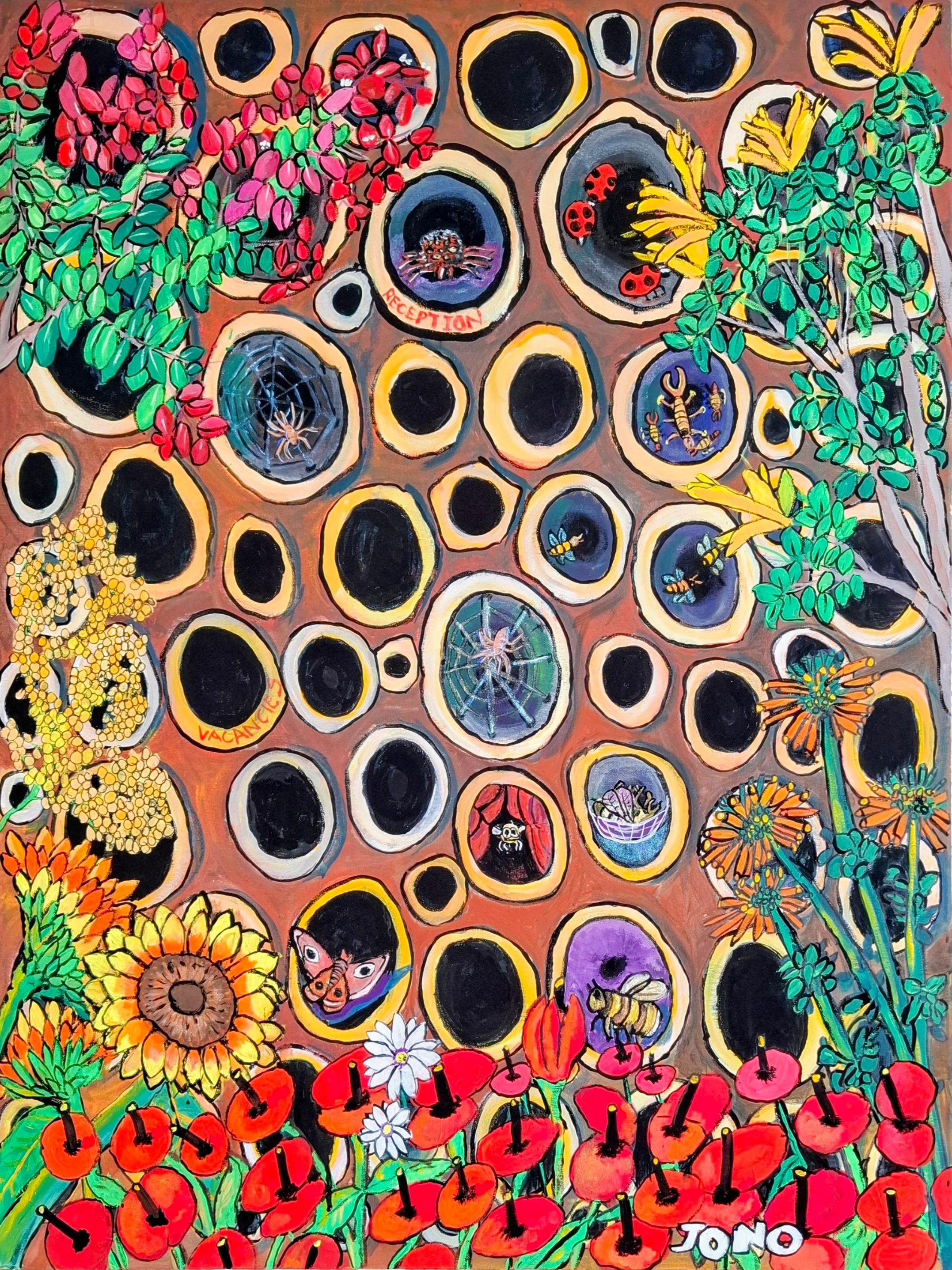
The Grand Insect Hotel
750 × 1000 mm · Acryla Gouache · Canvas
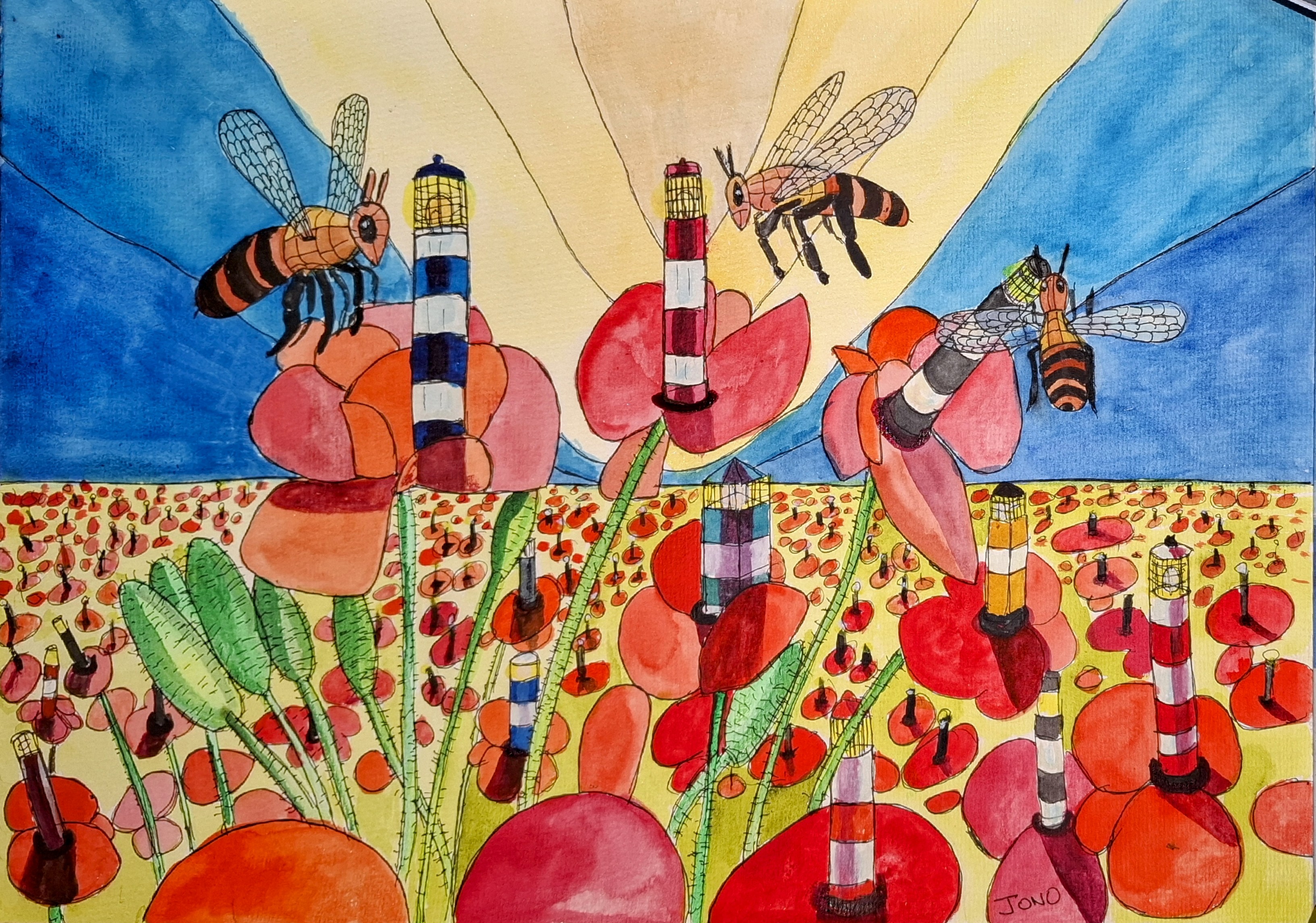
Lighthouses
Watercolour · Ink & Watercolour
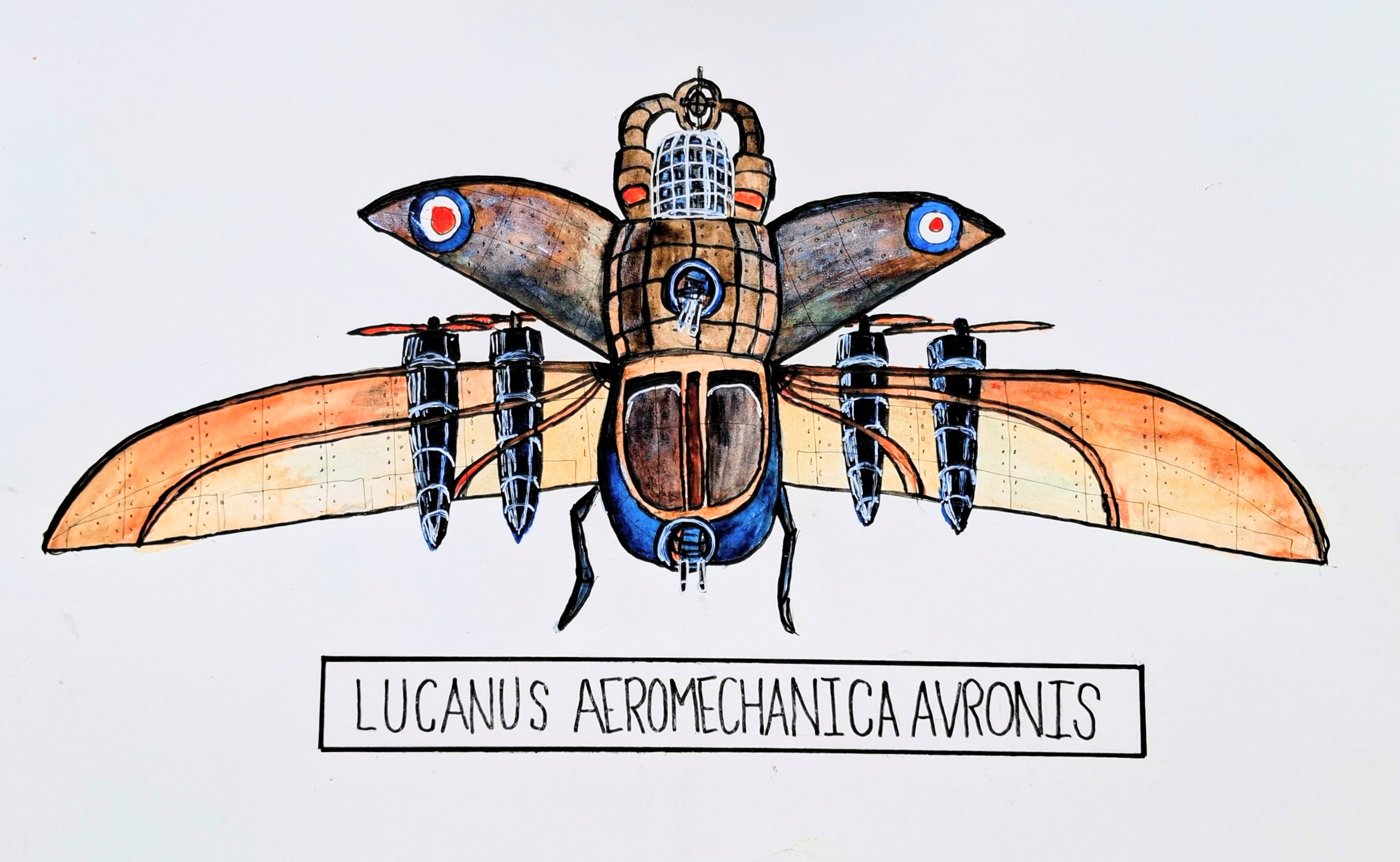
Aeromechanica
Watercolour · Vellum · Acryla Gouache
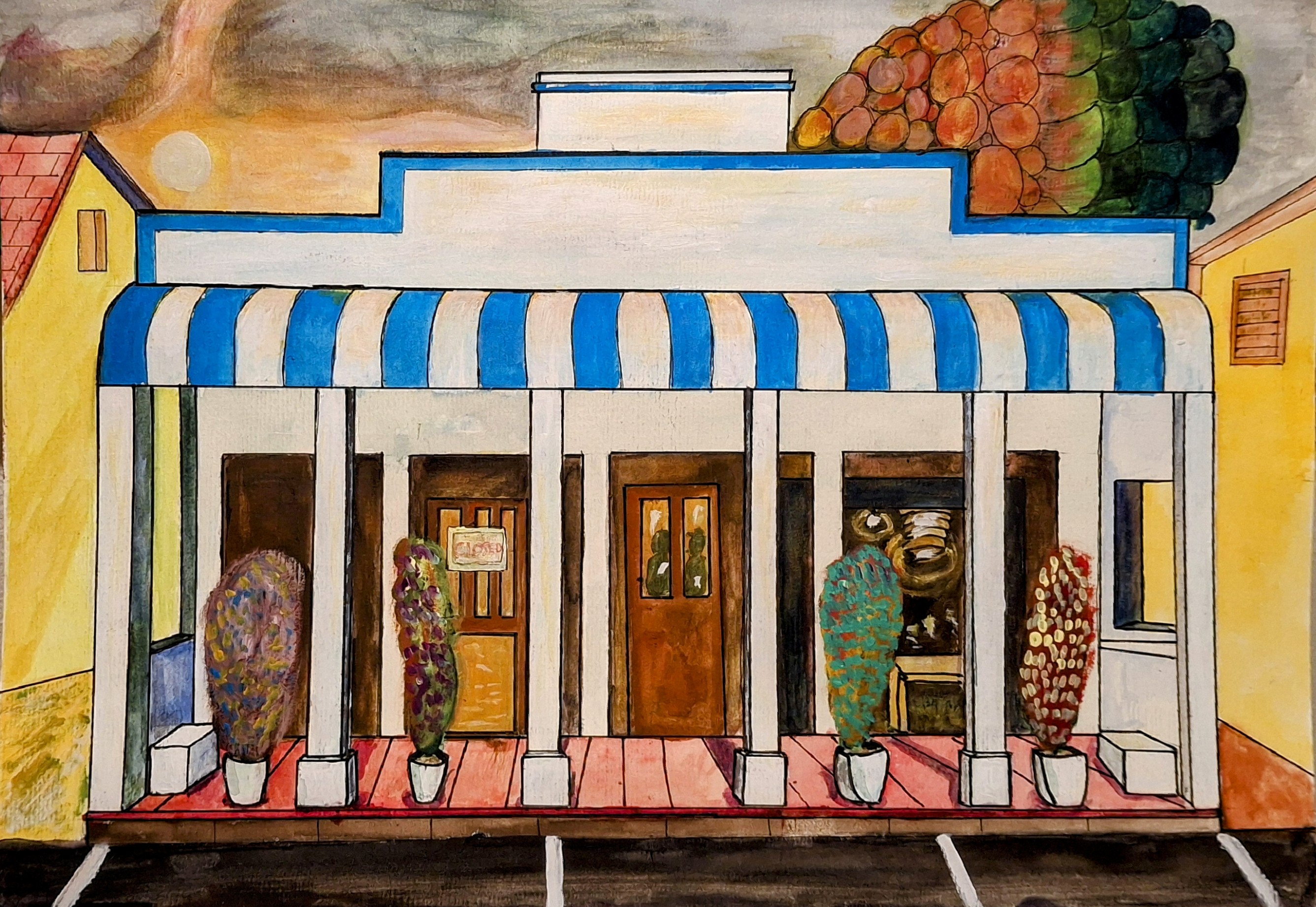
The Villages
Watercolour · Acryla Gouache
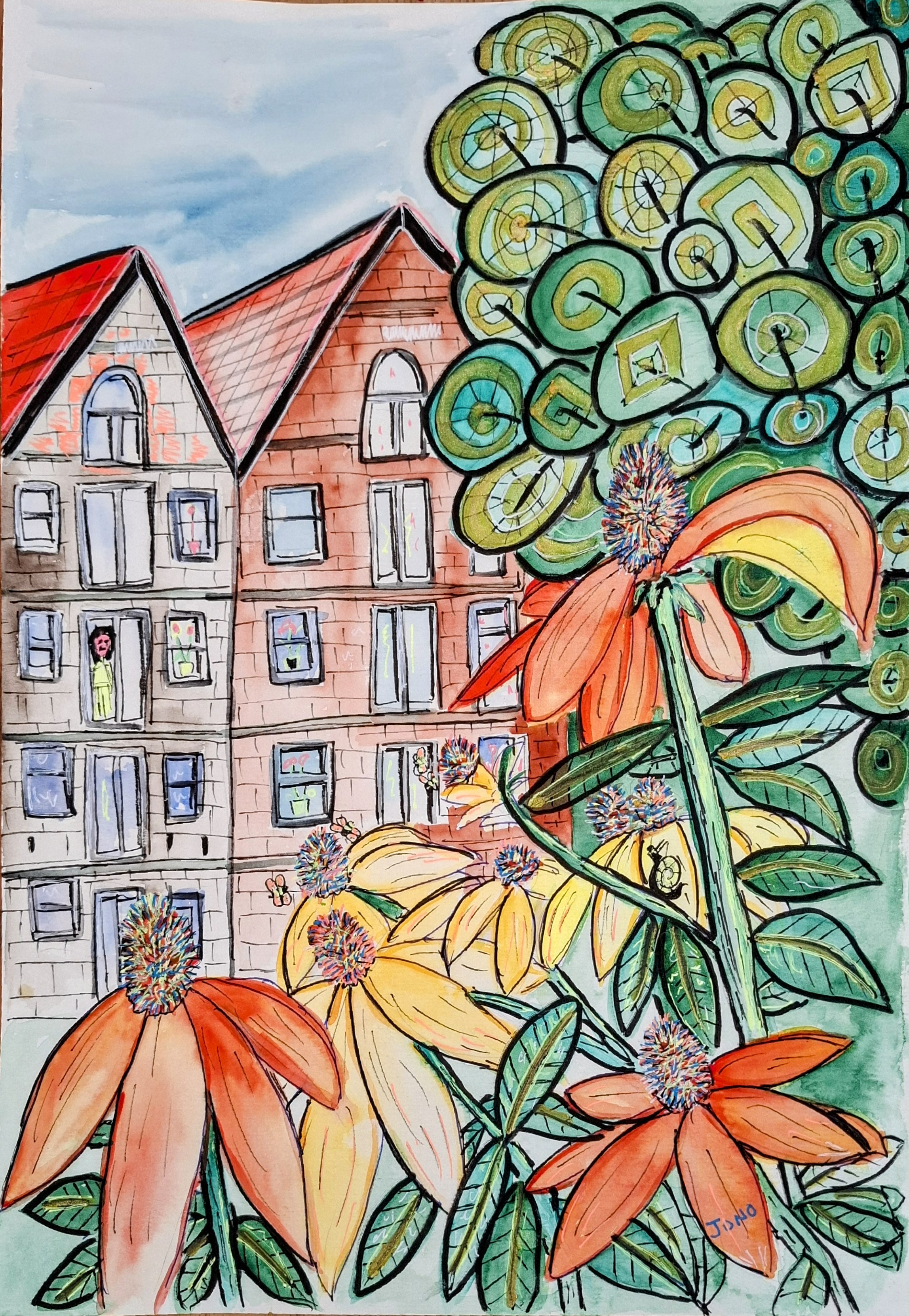
The Netherlands
Watercolour · Ink · Acryla Gouache
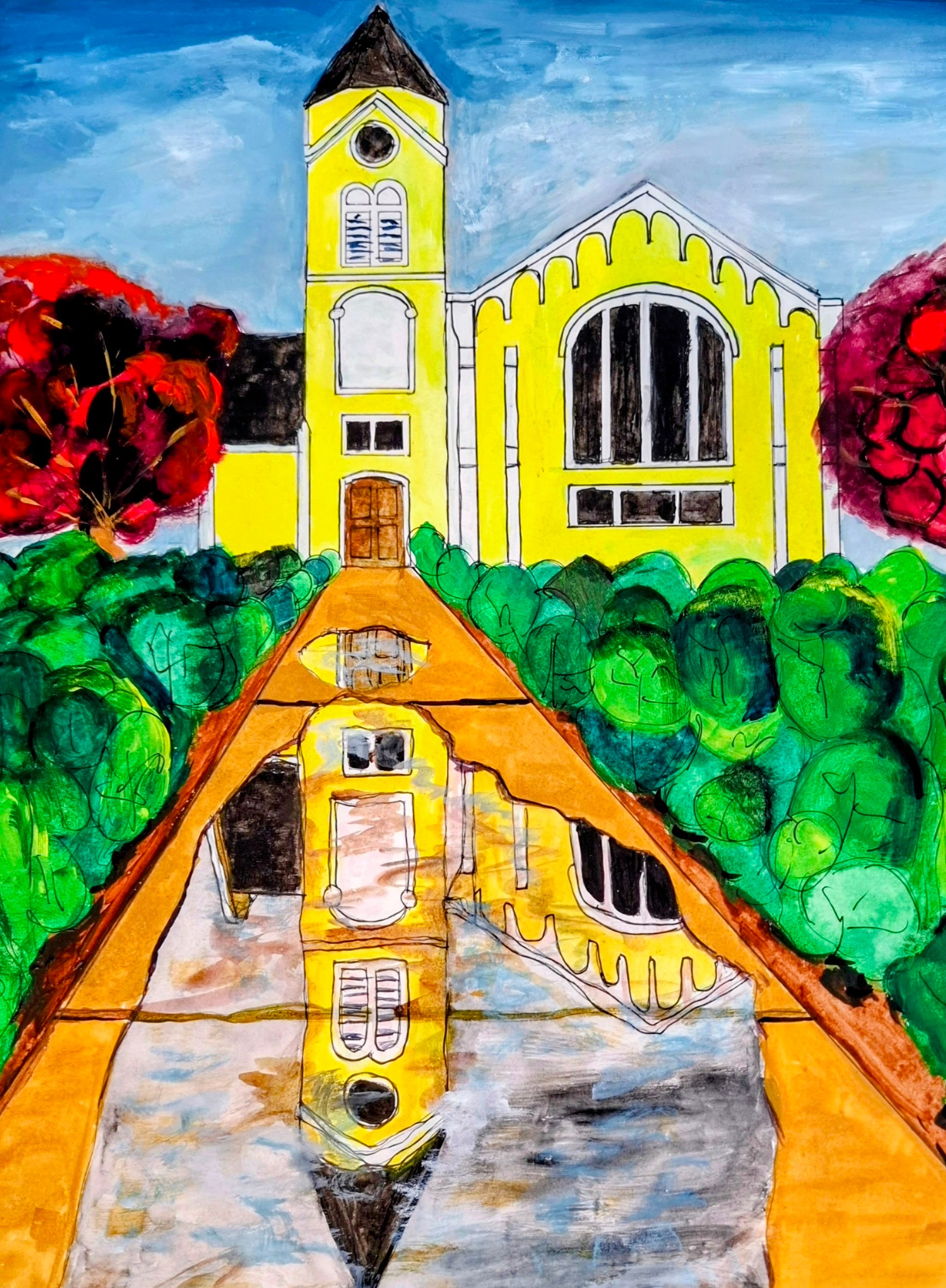
Called to Prayer
Watercolour · Ink & Watercolour · Acrylic
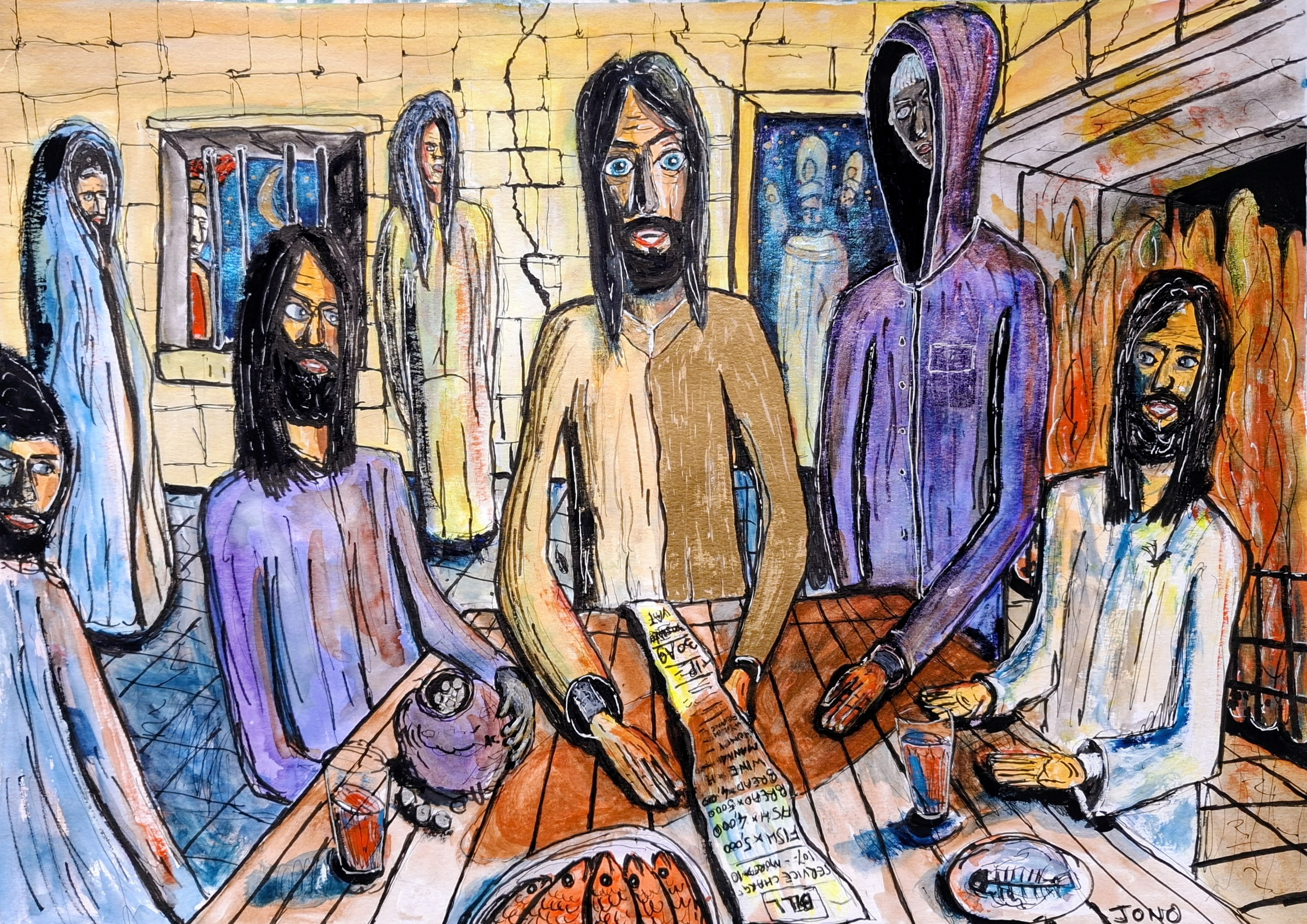
The Reckoning
A3 · Watercolour · Three works